Right Whale Migration Tracking
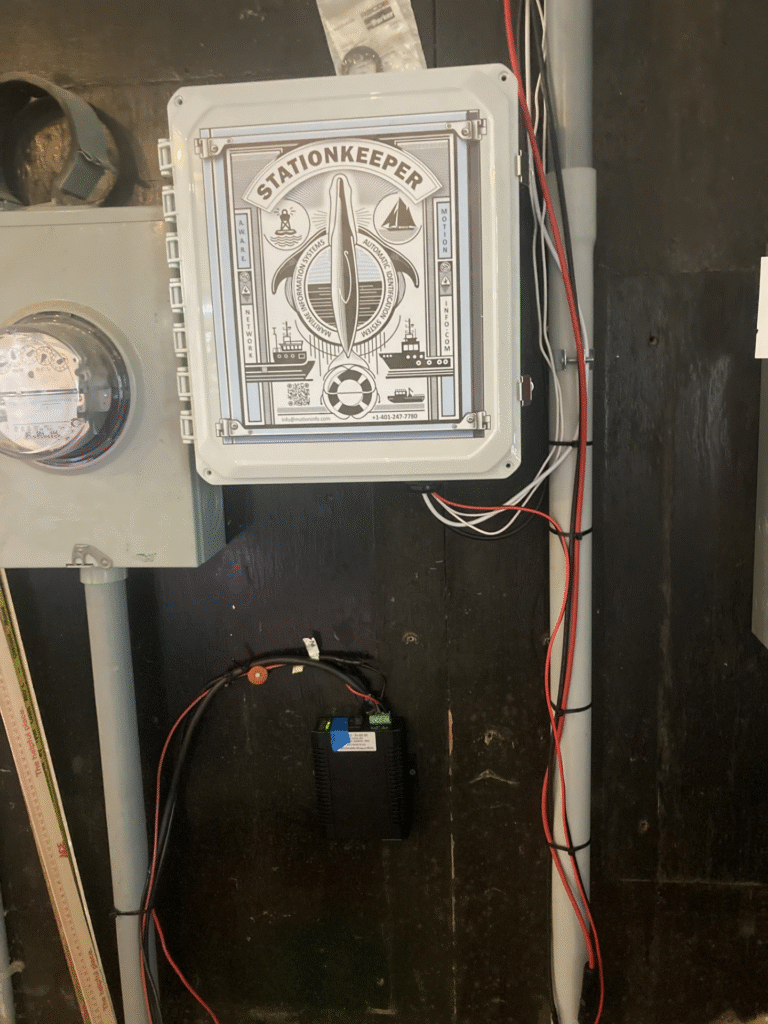
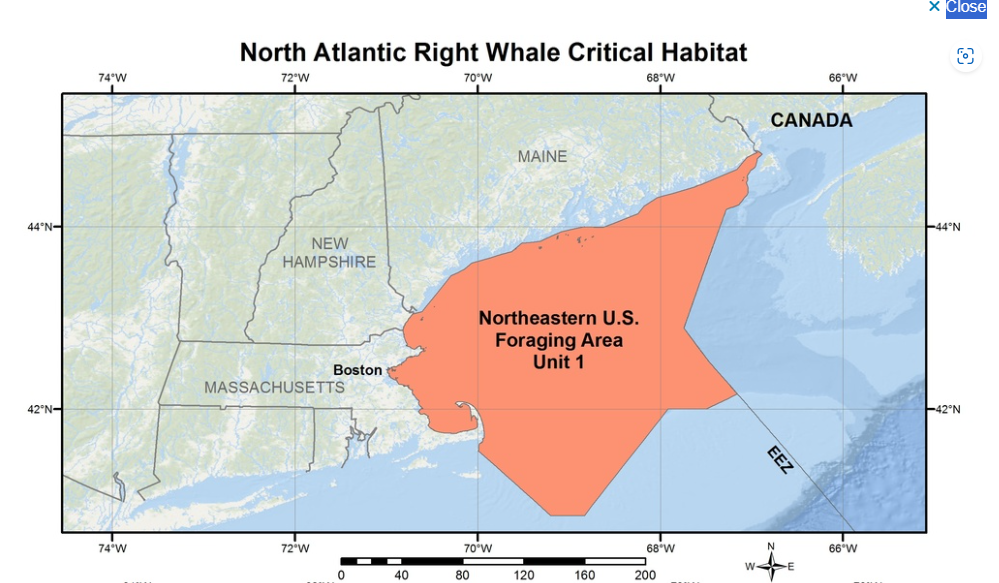
Seguin Island Light Station is an active StationKeeper relay station helping protect the North Atlantic Right Whale. Station Keeper on Seguin monitors shipping speeds of commercial shipping in the region of Casco Bay and advises large ships to lower their speed to less than 10 knots in the Right Whale protection area. At slower speeds ships have more time to maneuver around pods of whales as well as the whales having time to get out of the way.
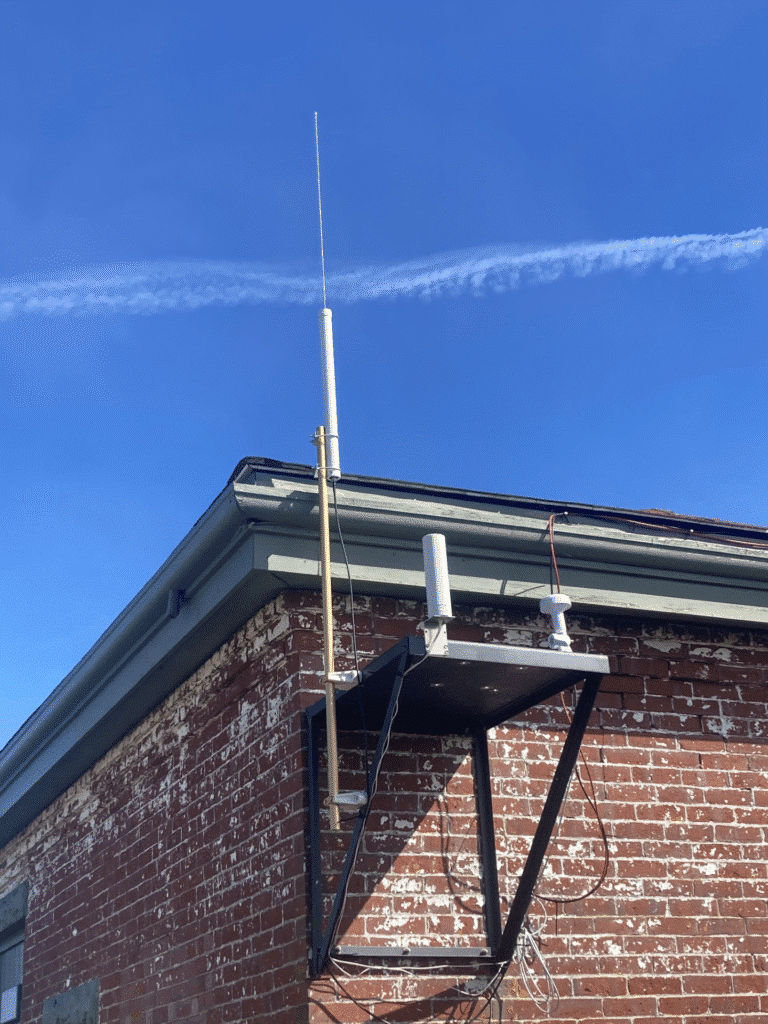
In addition, Seguin has been asked to expand our conservation role by Maine Department of Marine Resources to serve as a real time VHF relay station for the listening buoys that have been placed in the Gulf of Maine. This system will detect whales communicating with each other which will help track their presence off the Maine coast to better protect them during their migration through this area.
In our first year of StationKeeper and following whale migration we are learning much about the paths of the Right Whales. This Spring we observed the whales congregate in Cape Cod Bay before heading even farther north into the Gulf of St Lawrence where they spend the bulk of the summer. This January there has been a flurry of sightings in Cape Cod Bay. Right Whale mother/calve sightings are now being reported off the Virginia and Carolina. As of January 26, 2026, reports of the birth of 21 new calves during this 2025-2026 calving season. This marks a positive trend, as the population has been slowly recovering over the past four years, but it is estimated that we need 50 calves each season for the Right Whales to flourish.
Below is a link to the NOAA page to keep you up to date on the progress to save the Right Whale and introduces you to some of their stars. It is a very interesting site.
North Atlantic Right Whale Calving Season 2026 | NOAA Fisheries
Below is a link which shows Right Whale observations along the US coast
What is StationKeeper?
Most vessels 65 feet or longer are asked to travel at 10 knots or less in certain locations, called seasonal management areas for Right Whales, along the U.S. East Coast at certain times of the year. This is aimed at reducing the chances of collisions with North Atlantic Right Whales. StationKeeper, developed by Maritime Information Systems, Inc. monitors commercial shipping traffic on the existing maritime AIS system which is required on commercial cargo ships. AIS receivers are navigation safety devices that transmit and monitor the location and characteristics of vessels in federal and international waters in real time.
For more information on StationKeeper: https://www.motioninfo.com/stationkeeper
To listen to a podcast from the United States Lighthouse Society with StationKeeper founder Moses Colouro: https://uslhs.org/podcast/light-hearted-323-moses-calouro-portia-calouro-how-lighthouses-are-helping-save-right
Design:
When a ship is exceeding 10 knots in a designated Right Whale management area, a StationKeeper relay station transmits the following message by way of the ship’s AIS receiver and charting system display to the ship’s bridge, “Max speed 10 knots per 50CFR224.105-31″. Relay stations are now in place up and down the eastern seaboard.
Opportunity and Operations:
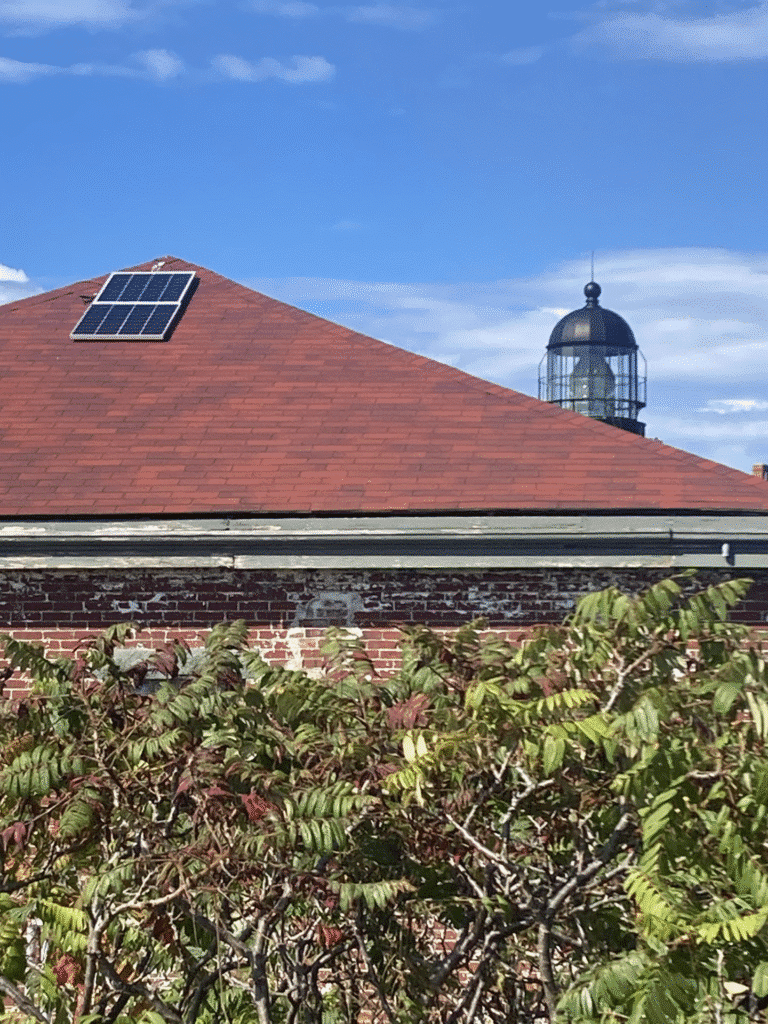
FOSILS is proud to participate in this worthy maritime program as part of our operations on the island. Our system is operating on the island under its own solar panels. We thank you for continued support of this historic landmark as we take on this function to protect the North American Right Whale.